















Vecchia mappa delle piste automobilistiche dell'Arizona, 1920: Phoenix, Tucson, Grand Canyon NP, fiume Colorado, Mogollon Rim
Restaurata nel nostro laboratorio di Londra dalla mappa originale del 1920 e stampata in qualità museale. Descrizione completa
L’offerta del Collezionista
Scegli due opere idonee e ricevi il 20% di sconto su entrambe. Scegline tre e quella al prezzo più basso è in omaggio, con un risparmio massimo del 33%.
Abbina liberamente mappe standard idonee e stampe d’arte fine art. Non è richiesto alcun codice; l’offerta viene applicata automaticamente al checkout.
Sono incluse le configurazioni standard su ordinazione. Sono esclusi formati su misura, design personalizzati e lavori su commissione.
Hai bisogno di consegne a indirizzi diversi? Contattaci prima di effettuare l’ordine.L’offerta del Collezionista
Scegli due opere idonee e ricevi il 20% di sconto su entrambe. Scegline tre e quella al prezzo più basso è in omaggio, con un risparmio massimo del 33%.
Abbina liberamente mappe standard idonee e stampe d’arte fine art. Non è richiesto alcun codice; l’offerta viene applicata automaticamente al checkout.
Sono incluse le configurazioni standard su ordinazione. Sono esclusi formati su misura, design personalizzati e lavori su commissione.
Hai bisogno di consegne a indirizzi diversi? Contattaci prima di effettuare l’ordine. Restaurato a Londra • Stampato e incorniciato nell’UE

Restaurata dalla mappa originale del 1920 e stampata in qualità museale. Descrizione completa
Scegli il formato
Scegli la finitura


(Maggiori informazioni)
Gift message & custom finish

If you want to add a gift message, or a finish (jigsaw, aluminium board, etc.) that is not available here, please request it in the "order note" when you check out.
Every order is custom made, so if you need the size adjusted slightly, or printed on an unusual material, just let us know. We've done thousands of custom orders over the years, so there's (almost) nothing we can't manage.
You can also contact us before you order, if you prefer!
Porta a casa un pezzo di storia
Oltre 8.000 recensioni a 5 stelle


Arizona — pubblicata dalla George F. Cram Company nel 1920 — appare qui con il suo titolo originale, Arizona, composta per l'Auto...
Continua a leggereArizona — pubblicata dalla George F. Cram Company nel 1920 — appare qui con il suo titolo originale, Arizona, composta per l'Auto Trails and Commercial Survey of the United States. In una palette vivace, le contee e i confini dello Stato sono nettamente distinti, mentre una rete di strade e auto trails si intreccia attraverso bacini desertici e altipiani montuosi. Le autostrade statali e i percorsi principali sono tracciati con vigore in rosso e blu, con una gerarchia leggibile a colpo d'occhio; bande cromatiche distintive evidenziano gli auto trails nominati che guidavano gli automobilisti prima delle highways numerate. Le linee elettriche, accuratamente sovrastampate in rosso, annunciano la nuova estensione dell'energia verso fattorie, miniere e città. Gli ombreggiati a tratteggio conferiscono una rilievo tattile al paesaggio, e le statistiche demografiche del censimento del 1920 ancorano ogni comunità al proprio momento di crescita.
L'azienda di George F. Cram, con sede a Chicago, aveva nel 1920 raffinato uno stile distintivo apprezzato per chiarezza, logica cromatica e intelligenza pratica. L'Auto Trails and Commercial Survey fu uno dei capolavori della compagnia: un compendio di 136 pagine con 98 carte a colori e tabelle di supporto in bianco e nero, progettato per unire le nuove abitudini della nazione in materia di guida, spedizioni e investimenti. Simboli standardizzati, una legenda dei segnali stradali e un indice e gazetteer completi rendevano l'atlas utile tanto ai venditori viaggianti quanto agli ingegneri di contea e ai banchieri. Cram, veterano della Guerra Civile divenuto editore, costruì la propria reputazione su atlanti che mettevano dati aggiornati nelle mani degli utenti comuni; questa tavola dell'Arizona distilla tale ethos, unendo un design vivido a una reportistica infrastrutturale e demografica aggiornata al momento, all'alba dell'era automobilistica americana.
La topografia è resa con classici hachures che scorrono dalle scarpate frastagliate del Colorado Plateau alle pianure fulve della frontiera sonorense. Il Mogollon Rim è splendidamente modellato come un'imponente gradinata che divide le foreste d'altura dal deserto basso; i San Francisco Peaks si innalzano sopra Flagstaff, mentre le catene dei Chiricahua, Santa Catalina e Huachuca punteggiano il sud-est. I fiumi articolano la carta: il Colorado incide la spina occidentale dell'Arizona; il Gila raccoglie il Salt e il Verde dalla irrigata Salt River Valley; il Little Colorado attraversa il nord, e il Santa Cruz serpeggia nelle terre di confine verso Tucson e Nogales. Il Grand Canyon National Park, appena istituito nel 1919, domina il nord-ovest, con gli altipiani e i canyon adiacenti chiaramente nominati. Una tale finezza fisiografica incornicia le rotte, gli insediamenti e le linee elettriche che animano la storia moderna dello Stato.
I modelli urbani e regionali emergono con notevole precisione. Phoenix si colloca al cuore della griglia della contea di Maricopa, con le sue città satellite—Mesa, Tempe, Glendale, Chandler, Scottsdale, Gilbert e Peoria—disposte lungo canali e linee di sezione nella fertile Salt River Valley. Tucson ancorа il sud come polo ferroviario e educativo, collegato ai distretti minerari e di allevamento che si estendono verso est fino a Douglas e a nord attraverso Casa Grande. Più lontano, Flagstaff si trova ai piedi dei Peaks, Yuma custodisce il passaggio sul Colorado, e Show Low segna gli altipiani più freschi. Le auto trails transcontinentali e regionali attraversano questi nodi, con un corridoio settentrionale che sfiora Kingman, Flagstaff, Winslow e Holbrook, e una rotta meridionale che collega Yuma, Phoenix e Tucson—ciascun percorso differenziato in colori unici che trasformano la guida automobilistica delle origini in un viaggio leggibile, quasi narrativo.
Altrettanto rivelante è l’infrastruttura sotto le strade. Sovrastampe rosse tracciano le linee elettriche che si diramano dai progetti idroelettrici e dalle centrali verso i campi di rame e le fonderie—Jerome, Globe–Miami, Bisbee—e verso i nuovi centri abitati in rapida crescita. La distinzione tra strade asfaltate e strade migliorate registra gli investimenti del giovane Stato, mentre i conteggi del censimento del 1920 mettono in evidenza i corridoi di rapido cambiamento nelle valli del Salt e del Santa Cruz e lungo l’asse transcontinentale settentrionale. I confini amministrativi sono presentati con chiarezza per mostrare le competenze delle contee, gli spostamenti di giurisdizione e la portata commerciale. L’indice e il gazetteer dell’atlante consentono ai lettori di rintracciare ogni ranch, raccordo e insediamento; la guida ai segnali stradali ne facilita l’interpretazione sul terreno. Letta oggi, questa Cram Arizona è al tempo stesso itinerario e radiografia: una testimonianza precisa, codificata a colori, di un paesaggio sull’orlo dell’era autostradale, che acquista slancio verso l’Arizona moderna.
Città e centri abitati su questa mappa
- Phoenix
- Tucson
- Mesa
- Chandler
- Scottsdale
- Glendale
- Tempe
- Gilbert
- Peoria
- Surprise
- Flagstaff
- Yuma
- Casa Grande
- Lake Havasu City
- Sierra Vista
- Show Low
- Douglas
Caratteristiche notevoli e punti di riferimento
- Confini amministrativi chiaramente indicati con colori distinti
- Autostrade e strade statali dettagliate mostrate in rosso e blu
- Linee elettriche illustrate in rosso
- Strade asfaltate e migliorate indicate
- Statistiche demografiche derivate dal censimento del 1920
- Tratteggi usati per indicare il rilievo altimetrico
- Grandi città, capitali e contee evidenziate in modo prominente
- Indicazione dei percorsi automobilistici in colori unici
- Presenza di segnali stradali come ausili alla navigazione
- Indice completo e gazetteer a corredo della mappa
Contesto storico e di design
- Pubblicata dalla George F. Cram Company nel 1920
- Realizzata nell’ambito della “Auto Trails and Commercial Survey of the United States”
- Parte di una più ampia serie di 136 pagine con 98 mappe a colori e grafici in bianco e nero
- Lo stile grafico utilizza colori vivaci per distinguere con chiarezza confini e strade
- Rappresenta l’infrastruttura e la distribuzione demografica dell’Arizona dei primi del Novecento
- La copertura abbraccia l’intero Stato, con particolare attenzione a contee e principali centri abitati
Controllate attentamente le immagini per assicurarvi che una specifica città o località sia presente su questa mappa. Potete anche contattarci e chiederci di verificare la mappa per voi.
Questa mappa è splendida in qualsiasi formato, ma consiglio sempre di scegliere una dimensione più grande, se avete spazio. In questo modo potrete distinguere facilmente tutti i dettagli.
Questa mappa ha un aspetto straordinario fino a dimensioni di 50in (125cm). Se state cercando una mappa più grande, vi preghiamo di contattarci.
Il modello nelle immagini dell’inserzione tiene in mano la versione 18x24in (45x60cm) di questa mappa.
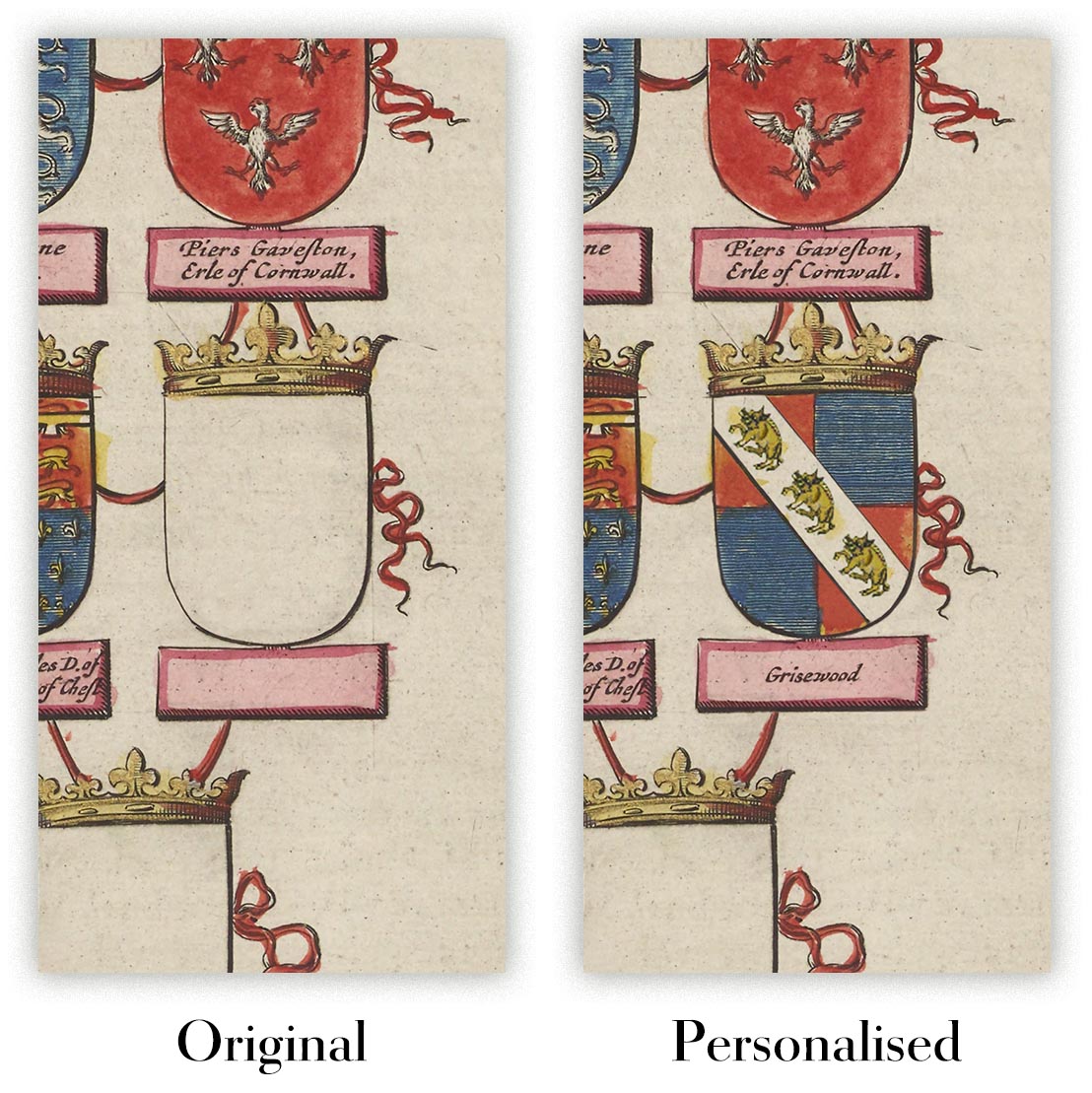
La quinta immagine dell’inserzione mostra un esempio del mio servizio di personalizzazione delle mappe.
Se cercate qualcosa di leggermente diverso, date un’occhiata alla mia collezione delle migliori mappe antiche per vedere se qualcosa attira la vostra attenzione.
Vi prego di contattarmi per verificare se una certa località, punto di riferimento o caratteristica è presente su questa mappa.
Sarebbe un meraviglioso regalo di compleanno, Natale, Festa del Papà, pensionamento, anniversario o inaugurazione di casa per qualcuno proveniente dalle aree coperte da questa mappa.
Questa mappa è disponibile come stampa giclée su carta opaca museale priva di acidi, oppure può essere acquistata incorniciata. La cornice è una bella e semplice cornice nera che si adatta alla maggior parte delle estetiche. Contattatemi se desiderate un colore o un materiale diverso per la cornice. Le mie cornici sono vetrate con acrilico museale super trasparente (plexiglass/acrilico), molto meno riflettente del vetro, più sicuro e che arriverà sempre in perfette condizioni.
This map is also available as a float framed canvas, sometimes known as a shadow gap framed canvas or canvas floater. The map is printed on artist's cotton canvas and then stretched over a handmade box frame. We then "float" the canvas inside a wooden frame, which is available in a range of colours (black, dark brown, oak, antique gold and white). This is a wonderful way to present a map without glazing in front. See some examples of float framed canvas maps and explore the differences between my different finishes.
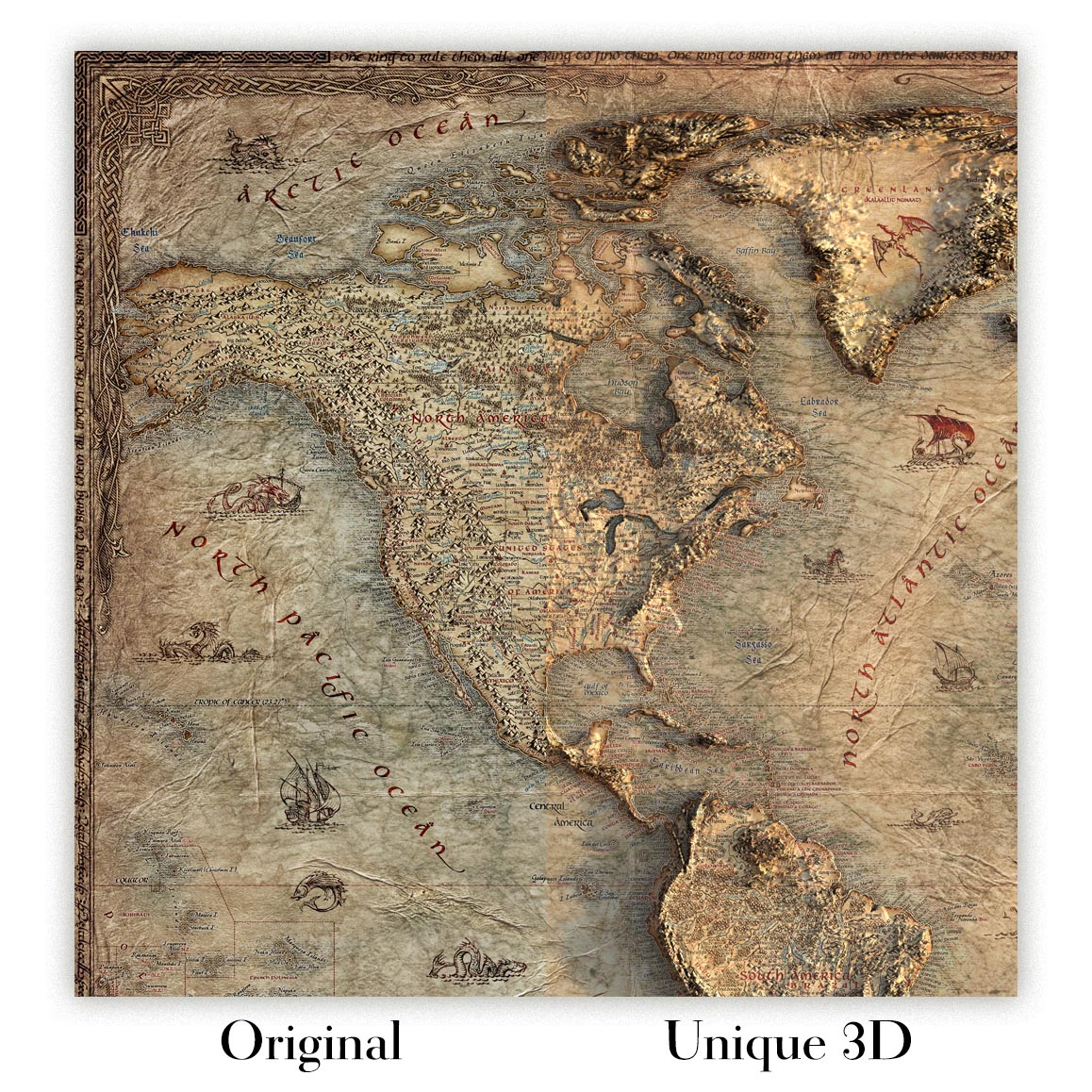
For something truly unique, this map is also available in "Unique 3D", our trademarked process that dramatically transforms the map so that it has a wonderful sense of depth. We combine the original map with detailed topography and elevation data, so that mountains and the terrain really "pop". For more info and examples of 3D maps, check my Unique 3D page.
Arizona — pubblicata dalla George F. Cram Company nel 1920 — appare qui con il suo titolo originale, Arizona, composta per l'Auto Trails and Commercial Survey of the United States. In una palette vivace, le contee e i confini dello Stato sono nettamente distinti, mentre una rete di strade e auto trails si intreccia attraverso bacini desertici e altipiani montuosi. Le autostrade statali e i percorsi principali sono tracciati con vigore in rosso e blu, con una gerarchia leggibile a colpo d'occhio; bande cromatiche distintive evidenziano gli auto trails nominati che guidavano gli automobilisti prima delle highways numerate. Le linee elettriche, accuratamente sovrastampate in rosso, annunciano la nuova estensione dell'energia verso fattorie, miniere e città. Gli ombreggiati a tratteggio conferiscono una rilievo tattile al paesaggio, e le statistiche demografiche del censimento del 1920 ancorano ogni comunità al proprio momento di crescita.
L'azienda di George F. Cram, con sede a Chicago, aveva nel 1920 raffinato uno stile distintivo apprezzato per chiarezza, logica cromatica e intelligenza pratica. L'Auto Trails and Commercial Survey fu uno dei capolavori della compagnia: un compendio di 136 pagine con 98 carte a colori e tabelle di supporto in bianco e nero, progettato per unire le nuove abitudini della nazione in materia di guida, spedizioni e investimenti. Simboli standardizzati, una legenda dei segnali stradali e un indice e gazetteer completi rendevano l'atlas utile tanto ai venditori viaggianti quanto agli ingegneri di contea e ai banchieri. Cram, veterano della Guerra Civile divenuto editore, costruì la propria reputazione su atlanti che mettevano dati aggiornati nelle mani degli utenti comuni; questa tavola dell'Arizona distilla tale ethos, unendo un design vivido a una reportistica infrastrutturale e demografica aggiornata al momento, all'alba dell'era automobilistica americana.
La topografia è resa con classici hachures che scorrono dalle scarpate frastagliate del Colorado Plateau alle pianure fulve della frontiera sonorense. Il Mogollon Rim è splendidamente modellato come un'imponente gradinata che divide le foreste d'altura dal deserto basso; i San Francisco Peaks si innalzano sopra Flagstaff, mentre le catene dei Chiricahua, Santa Catalina e Huachuca punteggiano il sud-est. I fiumi articolano la carta: il Colorado incide la spina occidentale dell'Arizona; il Gila raccoglie il Salt e il Verde dalla irrigata Salt River Valley; il Little Colorado attraversa il nord, e il Santa Cruz serpeggia nelle terre di confine verso Tucson e Nogales. Il Grand Canyon National Park, appena istituito nel 1919, domina il nord-ovest, con gli altipiani e i canyon adiacenti chiaramente nominati. Una tale finezza fisiografica incornicia le rotte, gli insediamenti e le linee elettriche che animano la storia moderna dello Stato.
I modelli urbani e regionali emergono con notevole precisione. Phoenix si colloca al cuore della griglia della contea di Maricopa, con le sue città satellite—Mesa, Tempe, Glendale, Chandler, Scottsdale, Gilbert e Peoria—disposte lungo canali e linee di sezione nella fertile Salt River Valley. Tucson ancorа il sud come polo ferroviario e educativo, collegato ai distretti minerari e di allevamento che si estendono verso est fino a Douglas e a nord attraverso Casa Grande. Più lontano, Flagstaff si trova ai piedi dei Peaks, Yuma custodisce il passaggio sul Colorado, e Show Low segna gli altipiani più freschi. Le auto trails transcontinentali e regionali attraversano questi nodi, con un corridoio settentrionale che sfiora Kingman, Flagstaff, Winslow e Holbrook, e una rotta meridionale che collega Yuma, Phoenix e Tucson—ciascun percorso differenziato in colori unici che trasformano la guida automobilistica delle origini in un viaggio leggibile, quasi narrativo.
Altrettanto rivelante è l’infrastruttura sotto le strade. Sovrastampe rosse tracciano le linee elettriche che si diramano dai progetti idroelettrici e dalle centrali verso i campi di rame e le fonderie—Jerome, Globe–Miami, Bisbee—e verso i nuovi centri abitati in rapida crescita. La distinzione tra strade asfaltate e strade migliorate registra gli investimenti del giovane Stato, mentre i conteggi del censimento del 1920 mettono in evidenza i corridoi di rapido cambiamento nelle valli del Salt e del Santa Cruz e lungo l’asse transcontinentale settentrionale. I confini amministrativi sono presentati con chiarezza per mostrare le competenze delle contee, gli spostamenti di giurisdizione e la portata commerciale. L’indice e il gazetteer dell’atlante consentono ai lettori di rintracciare ogni ranch, raccordo e insediamento; la guida ai segnali stradali ne facilita l’interpretazione sul terreno. Letta oggi, questa Cram Arizona è al tempo stesso itinerario e radiografia: una testimonianza precisa, codificata a colori, di un paesaggio sull’orlo dell’era autostradale, che acquista slancio verso l’Arizona moderna.
Città e centri abitati su questa mappa
- Phoenix
- Tucson
- Mesa
- Chandler
- Scottsdale
- Glendale
- Tempe
- Gilbert
- Peoria
- Surprise
- Flagstaff
- Yuma
- Casa Grande
- Lake Havasu City
- Sierra Vista
- Show Low
- Douglas
Caratteristiche notevoli e punti di riferimento
- Confini amministrativi chiaramente indicati con colori distinti
- Autostrade e strade statali dettagliate mostrate in rosso e blu
- Linee elettriche illustrate in rosso
- Strade asfaltate e migliorate indicate
- Statistiche demografiche derivate dal censimento del 1920
- Tratteggi usati per indicare il rilievo altimetrico
- Grandi città, capitali e contee evidenziate in modo prominente
- Indicazione dei percorsi automobilistici in colori unici
- Presenza di segnali stradali come ausili alla navigazione
- Indice completo e gazetteer a corredo della mappa
Contesto storico e di design
- Pubblicata dalla George F. Cram Company nel 1920
- Realizzata nell’ambito della “Auto Trails and Commercial Survey of the United States”
- Parte di una più ampia serie di 136 pagine con 98 mappe a colori e grafici in bianco e nero
- Lo stile grafico utilizza colori vivaci per distinguere con chiarezza confini e strade
- Rappresenta l’infrastruttura e la distribuzione demografica dell’Arizona dei primi del Novecento
- La copertura abbraccia l’intero Stato, con particolare attenzione a contee e principali centri abitati
Controllate attentamente le immagini per assicurarvi che una specifica città o località sia presente su questa mappa. Potete anche contattarci e chiederci di verificare la mappa per voi.
Questa mappa è splendida in qualsiasi formato, ma consiglio sempre di scegliere una dimensione più grande, se avete spazio. In questo modo potrete distinguere facilmente tutti i dettagli.
Questa mappa ha un aspetto straordinario fino a dimensioni di 50in (125cm). Se state cercando una mappa più grande, vi preghiamo di contattarci.
Il modello nelle immagini dell’inserzione tiene in mano la versione 18x24in (45x60cm) di questa mappa.
La quinta immagine dell’inserzione mostra un esempio del mio servizio di personalizzazione delle mappe.
Se cercate qualcosa di leggermente diverso, date un’occhiata alla mia collezione delle migliori mappe antiche per vedere se qualcosa attira la vostra attenzione.
Vi prego di contattarmi per verificare se una certa località, punto di riferimento o caratteristica è presente su questa mappa.
Sarebbe un meraviglioso regalo di compleanno, Natale, Festa del Papà, pensionamento, anniversario o inaugurazione di casa per qualcuno proveniente dalle aree coperte da questa mappa.
Questa mappa è disponibile come stampa giclée su carta opaca museale priva di acidi, oppure può essere acquistata incorniciata. La cornice è una bella e semplice cornice nera che si adatta alla maggior parte delle estetiche. Contattatemi se desiderate un colore o un materiale diverso per la cornice. Le mie cornici sono vetrate con acrilico museale super trasparente (plexiglass/acrilico), molto meno riflettente del vetro, più sicuro e che arriverà sempre in perfette condizioni.
This map is also available as a float framed canvas, sometimes known as a shadow gap framed canvas or canvas floater. The map is printed on artist's cotton canvas and then stretched over a handmade box frame. We then "float" the canvas inside a wooden frame, which is available in a range of colours (black, dark brown, oak, antique gold and white). This is a wonderful way to present a map without glazing in front. See some examples of float framed canvas maps and explore the differences between my different finishes.
For something truly unique, this map is also available in "Unique 3D", our trademarked process that dramatically transforms the map so that it has a wonderful sense of depth. We combine the original map with detailed topography and elevation data, so that mountains and the terrain really "pop". For more info and examples of 3D maps, check my Unique 3D page.
Molte delle nostre mappe e stampe d’arte vengono scelte come regali premurosi per case, uffici, studi e luoghi significativi.
Scegli un’opzione incorniciata per il regalo più semplice, pronto da appendere, oppure scegli una stampa non incorniciata se il destinatario preferisce selezionare la propria cornice.
Realizziamo gli ordini localmente in 23 paesi in tutto il mondo, così i regali possono spesso essere prodotti vicino al destinatario. Questo li aiuta ad arrivare più rapidamente, a viaggiare in maggiore sicurezza e a evitare sorprese legate a dazi doganali o di importazione.
- Possiamo consegnare direttamente al destinatario
- I pezzi incorniciati arrivano pronti da appendere
- Le stampe non incorniciate sono accuratamente imballate in un robusto tubo protettivo
- Quasi ogni ordine viene realizzato localmente, per regali più rapidi e sicuri
- Il reso entro 90 giorni dà al destinatario il tempo di decidere
Se non sei sicuro di cosa scegliere, ti invitiamo a contattarci. Possiamo aiutarti a scegliere la mappa, il formato, la finitura o l’opzione di consegna più adatti.
Most orders are made locally and delivered in around 2–3 working days, depending on the product, size and destination.
We print and frame maps and artwork in 24 countries around the world, so your order is usually made close to you or your recipient. That means faster delivery, less time in transit, and no customs or import duty surprises.
Personalised and customised pieces usually take an extra 1–2 working days, because we prepare your design and send it to you for approval before printing.
Very large framed orders can take a little longer, as they need extra care in production and delivery.
Every order is carefully packaged: unframed prints are sent in a strong protective tube, while framed pieces are securely packed with protective materials around the frame.
If you need your order by a particular date, please contact us before ordering. We’ll check the best production route and delivery option for your location.
Express delivery is available at checkout for most countries. Next-day delivery is available in the UK, US, Singapore and the UAE.
Your order is covered by our 90-day returns policy and 10-year guarantee.
Our standard frame is a gallery-style black ash hardwood frame, with a simple, modern look. It is approximately 20mm (0.8in) wide. You can also view some lovely customer photos of framed maps and art.
We use super-clear acrylic glazing, also known as Perspex or Acrylite, instead of traditional glass. It is lighter, safer, and has lower reflectivity, giving the artwork a clearer, cleaner appearance.
Six standard frame colours are available at no extra cost: black, dark brown, dark grey, oak, white, and antique gold. Custom framing and mounting/matting is also available for customers looking for something more specific.
Most maps, art prints, and illustrations are also available as a framed canvas. We use matte cotton canvas, stretch it over a sustainably sourced wooden box frame, and then float the piece within a wooden outer frame. The finished result is beautifully presented, with no glazing between you and the artwork.
All frames are supplied ready to hang, with either string or brackets fitted to the back. Very large frames will include heavy-duty hanging plates and/or a mounting baton. If you have any questions, please get in touch.
We can also supply old maps and artwork on canvas, foam board, cotton rag, and other materials.
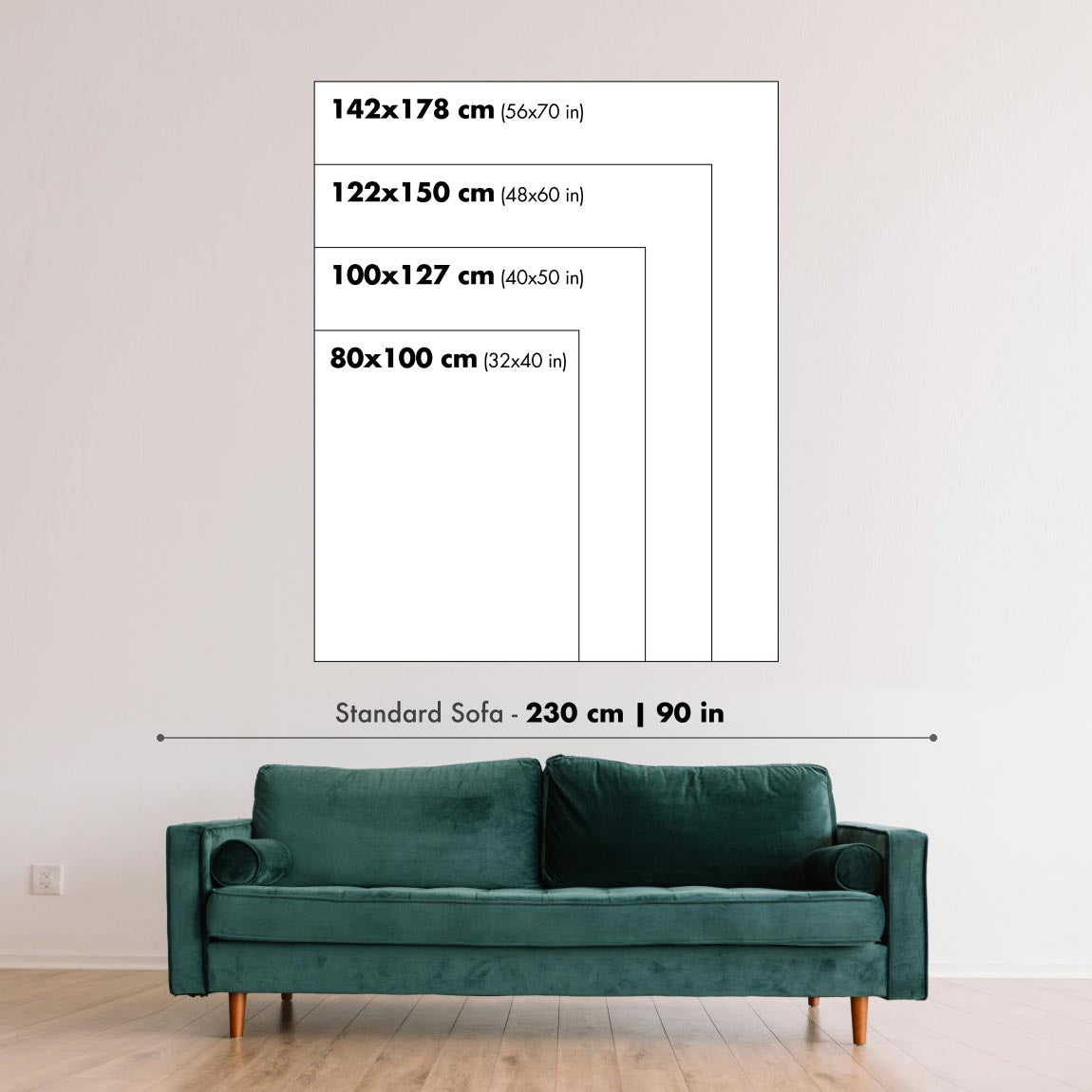
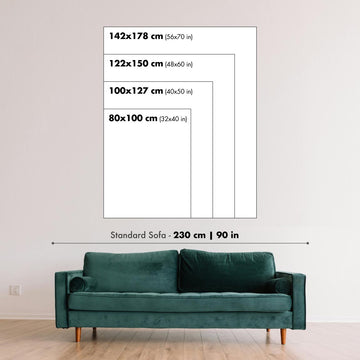
If you would prefer to frame your map or artwork yourself, please read our size guide before ordering.
Lavoriamo con interior designer, strutture ricettive, professionisti del settore immobiliare, uffici e acquirenti aziendali su singoli pezzi e su progetti coordinati di più ampia portata.
Questa mappa può essere adattata a una particolare parete, stanza o progetto, e il nostro laboratorio può aiutare a coordinare dimensioni, materiale e incorniciatura prima della produzione.
- Dimensioni precise, extra-large e su misura
- Incorniciatura, montaggio e materiali alternativi personalizzati
- Pezzi coordinati per più stanze o sedi
- Personalizzazione della mappa, per evidenziare luoghi importanti o aggiungere dettagli supplementari
- Consulenza su mappa e incorniciatura dal nostro laboratorio
- Produzione locale per progetti in tutto il mondo
Every Unique Maps piece begins with an authentic cartographic source or an original design from our London studio.
For our historic maps, we source rare originals from libraries, archives, auction houses and private collections around the world. We carefully restore each map for print—repairing age-related damage, balancing colour and improving clarity while preserving its original detail, texture and character.
Once restored, the map is prepared for your chosen size and finish. Your piece is then printed and, where selected, framed close to its delivery destination.
Our map prints use acid-free 200gsm archival matte paper and fade-resistant pigment inks, creating a rich, non-glossy finish designed to last. Framed maps use crystal-clear optical acrylic and arrive ready to hang.
Canvas, cotton-rag and other specialist presentations are also available. Learn more about our materials and finishes.
Personalising your map
You can add a short title or dedication, mark one meaningful place, or request one considered visual detail. For personalised designs, we send a proof before printing and you can request changes before approval.
For more complex bespoke commissions, contact our design team.
Original or Aged
Choose Original for true-to-source colour, or Aged for a warmer, richer antique character created with our specialist ageing process. See examples of our Aged maps.
Restauriamo e produciamo mappe e stampe d’arte dal 1984, e garantiamo personalmente ogni pezzo.
Ogni ordine è coperto dalla nostra garanzia di 10 anni e dalla garanzia di consegna senza danni. Se il vostro pezzo arriva danneggiato, lo sostituiremo o lo rifaremo gratuitamente. Se qualsiasi altro aspetto non fosse conforme, contattate il nostro team di laboratorio e provvederemo tempestivamente a risolvere il problema.
Per tutti i dettagli, consultate la nostra politica su resi e rimborsi.
Oppure cerca qualcosa nel negozio.


