









The Iris by Alphonse Mucha, 1899

Œuvre d’art authentique
L’œuvre que nous imprimons est fidèlement restituée à partir de la source originale - généralement un musée, une bibliothèque ou une collection privée. Nous ne remplaçons jamais, ne redessinons jamais et n’inventons jamais le travail de l’artiste à l’aide d’une IA générative.
Livraison de Noël & cadeaux

Envoyez-le directement au destinataire
Ajoutez un message cadeau dans votre panier, puis saisissez l’adresse de livraison du destinataire lors du paiement. Nous imprimerons votre message sur une carte. Aucun prix n’est inclus dans le colis.
Délais de livraison
La livraison standard est offerte dans le monde entier et prend généralement environ 3 jours ouvrés. Vous envoyez un cadeau à l’étranger ? Nous fabriquons la plupart des commandes localement, dans le pays du destinataire.
Veuillez prévoir un délai supplémentaire pour la conception et l’approbation du bon à tirer pour les commandes personnalisées. Voir les détails de livraison.
Retours : Les commandes standard peuvent être retournées ou échangées dans les 90 jours suivant la livraison. Les pièces personnalisées et réalisées sur mesure sont généralement exclues des retours pour simple changement d’avis. Voir notre politique de retour.
Soldes du Black Friday
Choisissez un article et bénéficiez de 20 % de réduction.
Choisissez deux œuvres et bénéficiez de 30 % de réduction sur les deux. Vous pouvez panacher cartes et œuvres d’art.
Aucun code n’est requis. L’offre s’applique automatiquement.
Conditions générales complètes
L’offre Collectionneur s’applique aux œuvres éligibles dans leurs configurations standard fabriquées à la commande. Les formats sur mesure, les créations personnalisées et les travaux de commande sont exclus. Les produits comportant « personalised » ou « custom » dans leur nom sont généralement exclus.
L’offre est appliquée sous la forme de deux remises automatiques distinctes : l’une pour les petits formats et l’autre pour les grands formats. Pour en bénéficier, vous devez acheter deux œuvres éligibles appartenant au même groupe de formats. Les cartes et tirages d’art peuvent être panachés au sein de chaque groupe.
Par exemple, deux tirages éligibles au format A4 ou 8 × 10 in donnent droit à 30 % de réduction sur les deux. Un tirage en petit format et une œuvre en grand format ne sont pas éligibles ensemble, car des articles appartenant à des groupes de formats différents ne peuvent pas être combinés pour satisfaire à l’exigence de deux articles.
Aucun code de réduction n’est requis. Toute remise applicable est automatiquement appliquée dans votre panier et lors du paiement.
Christmas schedule filling up. Order early.
Christmas orders & our workshop schedule
Our Christmas schedule is filling up, particularly for personalised maps and bespoke pieces. Ordering early allows time to prepare your artwork, complete any design approvals, and arrange printing and framing.
If your order requires a design preview, we’ll ask for your approval before printing. A prompt reply helps us keep your order moving through the workshop.
For standard maps and art prints, check the delivery estimate shown on the page. Larger framed orders travel more slowly through the logistics networks. Personalised and bespoke orders need time for design and approval.
Planning something more involved, or working to a particular deadline? Contact the workshop before ordering and we’ll help you check what’s possible.
Choisissez votre format
Choisissez votre finition


(Plus d’infos)
Message cadeau & finition personnalisée

Si vous souhaitez ajouter un message cadeau, ou une finition (puzzle, panneau en aluminium, etc.) qui n'est pas disponible ici, veuillez le demander dans la "note de commande" lors de votre passage à la caisse.
Chaque commande est fabriquée sur mesure, donc si vous avez besoin d'ajuster légèrement la taille, ou d'imprimer sur un matériau inhabituel, faites-le nous savoir. Nous avons réalisé des milliers de commandes personnalisées au fil des ans, donc il n'y a (presque) rien que nous ne puissions gérer.
Vous pouvez également nous contacter avant de passer votre commande, si vous le souhaitez !
- Fabriqué dans l’UE. Livraison sûre
- Arrive en parfait état, sinon nous le remplaçons
-
Livraison & cadeaux de Noël Livraison de Noël & cadeaux
![Voir un exemple en taille réelle de la carte imprimée avec message cadeau]()
Envoyez-le directement au destinataire
Ajoutez un message cadeau dans votre panier, puis saisissez l’adresse de livraison du destinataire lors du paiement. Nous imprimerons votre message sur une carte. Aucun prix n’est inclus dans le colis.
Délais de livraison
La livraison standard est offerte dans le monde entier et prend généralement environ 3 jours ouvrés. Vous envoyez un cadeau à l’étranger ? Nous fabriquons la plupart des commandes localement, dans le pays du destinataire.
Veuillez prévoir un délai supplémentaire pour la conception et l’approbation du bon à tirer pour les commandes personnalisées. Voir les détails de livraison.
Retours : Les commandes standard peuvent être retournées ou échangées dans les 90 jours suivant la livraison. Les pièces personnalisées et réalisées sur mesure sont généralement exclues des retours pour simple changement d’avis. Voir notre politique de retour.
- Besoin d’aide pour commander ?
Nos clients témoignent
Plus de 8 000 avis cinq étoiles venus du monde entier


Alphonse Mucha’s L’Iris, created in 1899, entwines a poised female figure with the long leaves and extravagant blooms of its namesake flower....
Continuer la lectureAlphonse Mucha’s L’Iris, created in 1899, entwines a poised female figure with the long leaves and extravagant blooms of its namesake flower. Closely framed within a tall composition, the woman appears amid pale purple and white irises, her flowing hair and softly draped garment echoing the plants’ curving stems and petals. Mucha balances this profusion of line against a gentle yellow ground, allowing the figure and flowers to remain distinct while binding them into a single decorative arrangement.
The work belongs to the Belle Époque world in which Mucha became one of the defining graphic artists of Art Nouveau. Born in Moravia, in what is now the Czech Republic, he developed an immediately recognisable visual language of elegant figures, botanical ornament and sinuous contour. His designs helped dissolve conventional boundaries between fine art, illustration and commercial graphics: the female figure could become an allegory, while flowers, clothing and lettering were treated as integral parts of the composition rather than incidental embellishment. In L’Iris, narrative gives way to a carefully orchestrated harmony between human form and floral motif.
A closer look
The central figure is presented with a serene expression and an almost sculptural stillness, yet very little around her is static. Curls of hair, folds of fabric and slender iris leaves create a network of gently changing directions. The garment descends through the lower part of the design in soft, elongated lines, its patterned edges adding a more intricate rhythm to the broad areas of pale colour. Subtle shading along the limbs gives the body a degree of volume without disturbing the essentially flat, graphic character of the composition.
Above and beside her, the irises provide the strongest accents. Their petals shift between powdery violet, blush tones and white, while light green leaves rise in narrow, blade-like forms. Some flowers turn outward; others overlap the figure or sit behind her, establishing shallow layers rather than deep pictorial space. Mucha’s fine outlines articulate each petal and curl, but the transitions remain soft. Cool blues and greens are warmed by touches of yellow and gold, producing a restrained palette with no single colour overwhelming the rest.
Negative space is equally important. The uncluttered background gives the larger silhouettes room to register, particularly the sweeping garment and upright leaves. Asymmetry keeps the arrangement lively: blooms cluster unevenly around the figure, yet the distribution of colour and line maintains an assured balance. At the lower right, the name “Mucha” is incorporated discreetly into the design, functioning as both signature and graphic detail.
Context and significance
Mucha’s women are often remembered for their beauty, but their role in his designs is fundamentally structural. Faces, hair, jewellery, fabric and plants participate in the same ornamental system, each governed by contour and repetition. This integration is central to Art Nouveau, a movement that drew extensively upon natural growth while pursuing unity across art and design. In L’Iris, the flower is not simply held or displayed; its arching forms are repeated throughout the figure’s pose and clothing, making the entire composition seem to grow around a shared visual rhythm.
The result is characteristic of turn-of-the-century design culture without feeling merely illustrative. L’Iris rewards attention to its quieter correspondences: a strand of hair answering the edge of a petal, a green leaf cutting across pale fabric, or a decorative border emerging only on closer inspection. It is this disciplined interplay of figure, flower and open ground that gives the work its enduring graphic clarity.
Choosing the right size and finish
Artwork can feel intimate at smaller sizes and dramatically more architectural at larger ones. Use the room preview, model image and size guide to see how the proportions and scale will work in your space.
If you need an exact size, specialist framing or help planning a larger display, ask our workshop for advice.
The model in the listing images is holding the 16x36in (40x90cm) version of this art print.
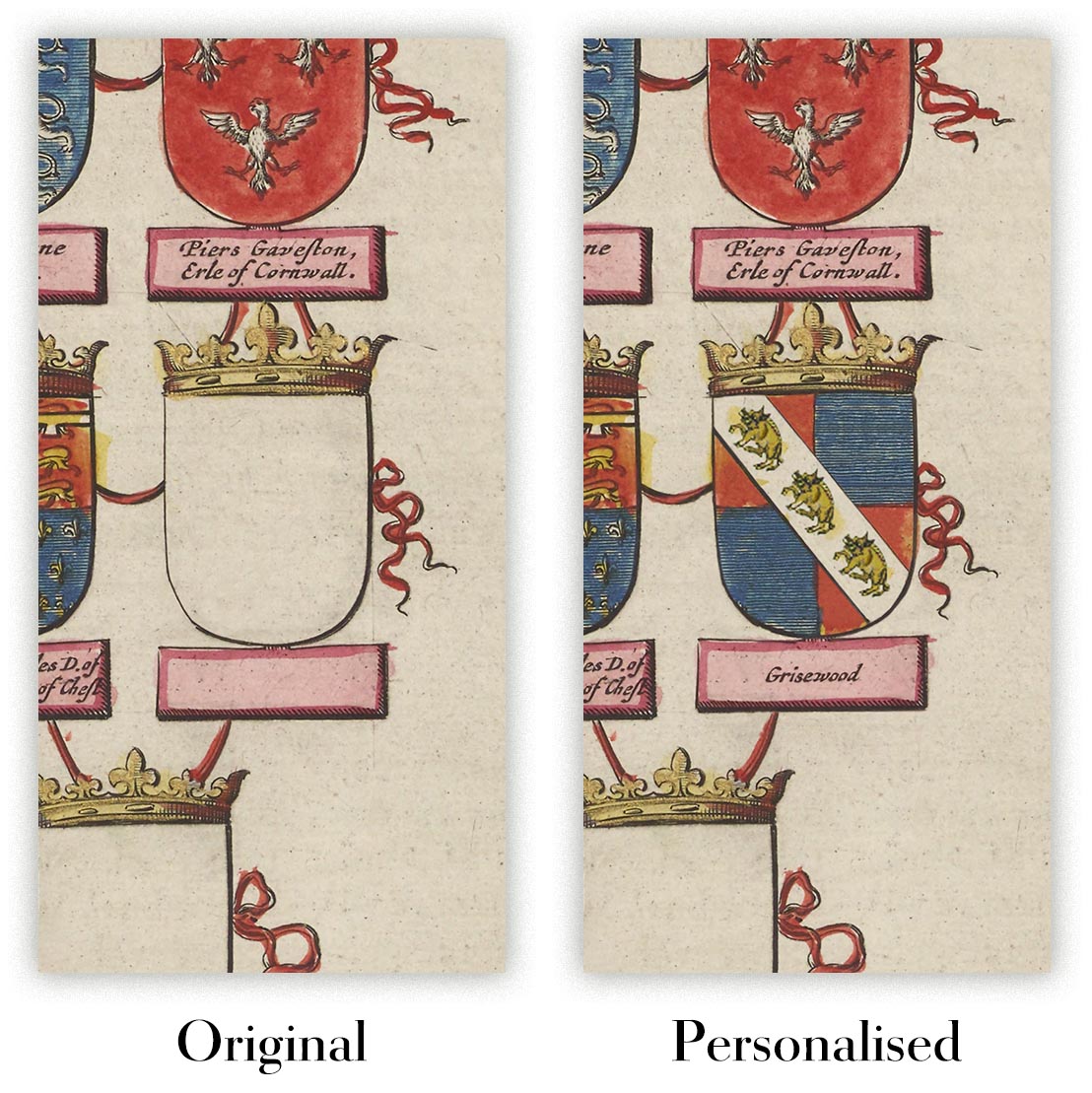
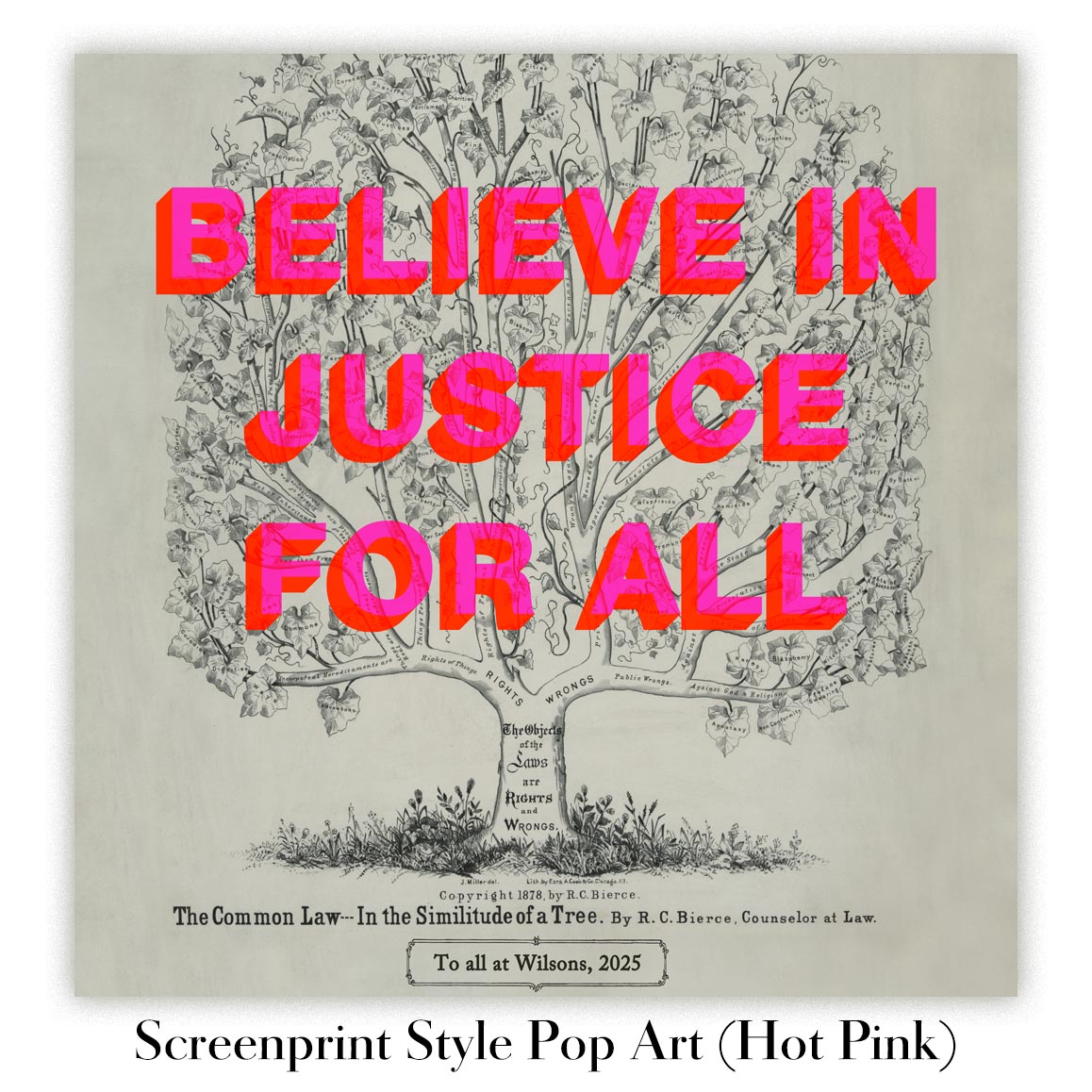
Where personalisation is available, you can add a short title or dedication, or one considered visual detail. See examples of personalised artwork.
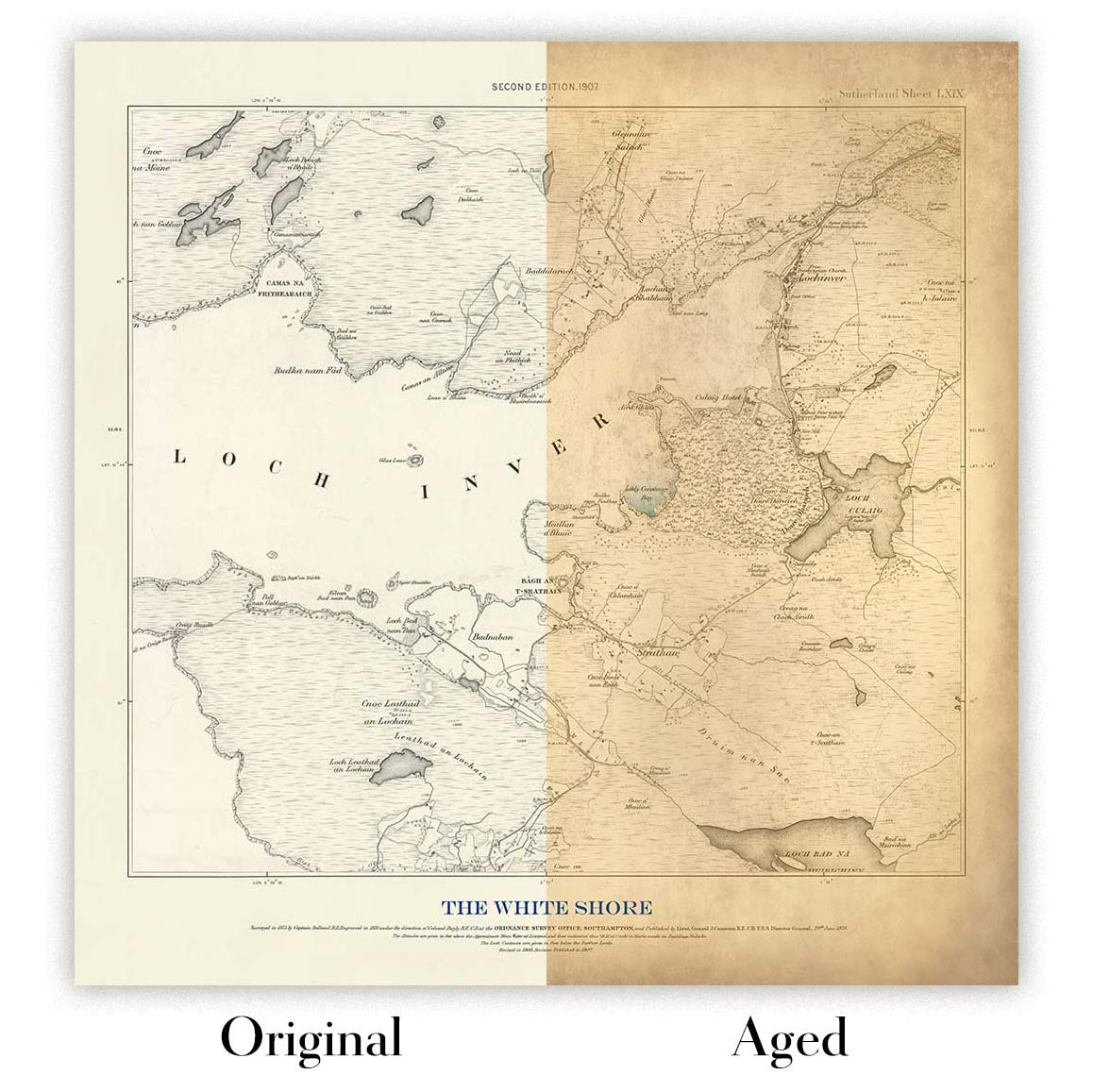
Choose Original to retain the colour and character of the source artwork, or Aged for a warmer, more antique appearance. See examples of our Aged artwork.
Every piece is produced to archival standards using fade-resistant pigment inks on acid-free matte art paper. Choose an art print, framed art print or framed canvas using the finish options above.
Framed art prints use crystal-clear optical acrylic for excellent clarity, lower weight and safer delivery than glass. Each piece arrives professionally framed and ready to hang.
Selected artworks can be produced at statement sizes up to 3 metres (10ft). Custom sizing and specialist framing are also available. If the exact option you need is not listed, contact our workshop.
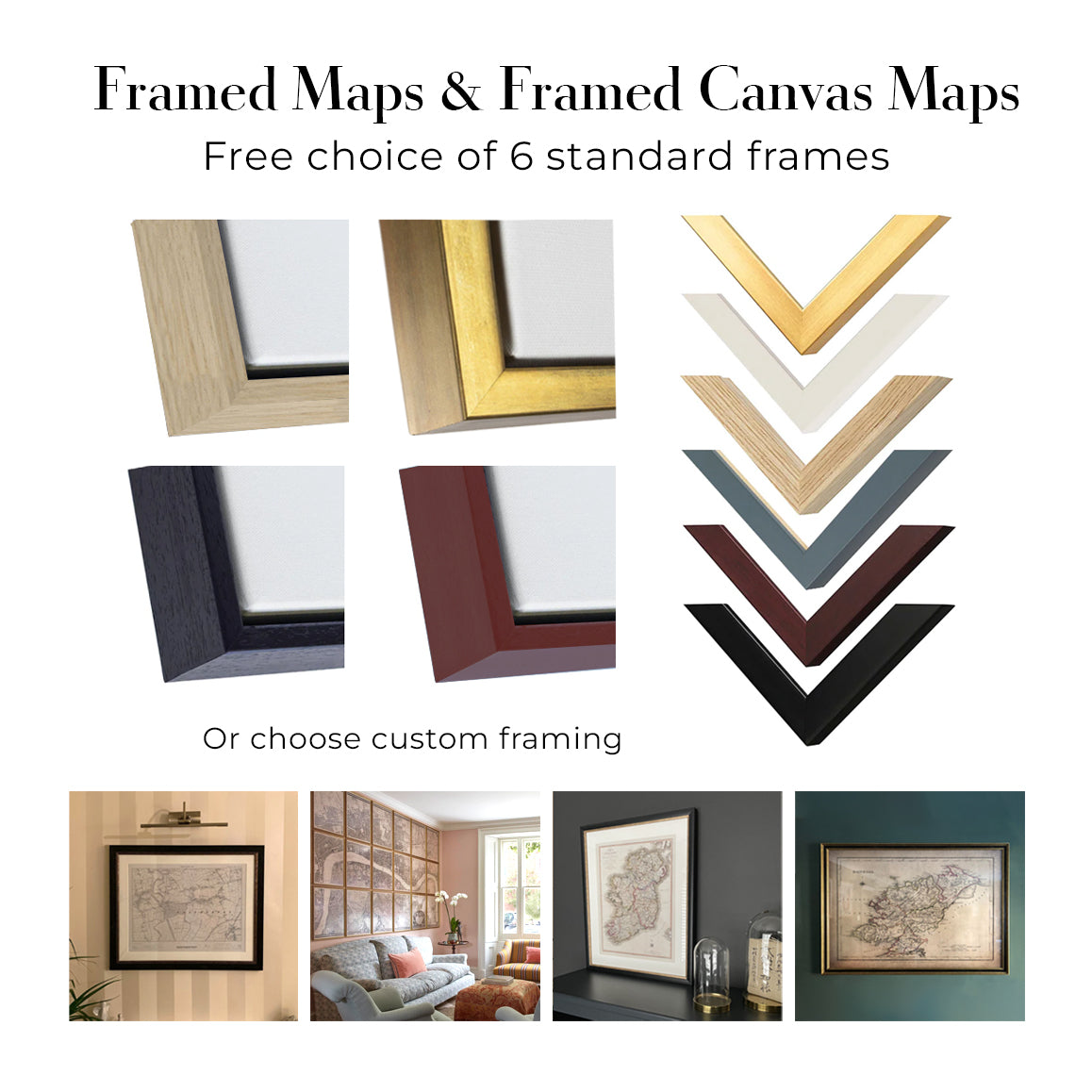
This artwork is also available as a float framed canvas, sometimes known as a shadow gap framed canvas or canvas floater. The work is printed on artist's cotton canvas and then stretched over a handmade box frame. We then "float" the canvas inside a wooden frame, which is available in a range of colours (black, dark brown, oak, antique gold and white). This is a wonderful way to present an art print without glazing in front. See some examples of float framed canvas art and explore the differences between my different finishes.
Alphonse Mucha’s L’Iris, created in 1899, entwines a poised female figure with the long leaves and extravagant blooms of its namesake flower. Closely framed within a tall composition, the woman appears amid pale purple and white irises, her flowing hair and softly draped garment echoing the plants’ curving stems and petals. Mucha balances this profusion of line against a gentle yellow ground, allowing the figure and flowers to remain distinct while binding them into a single decorative arrangement.
The work belongs to the Belle Époque world in which Mucha became one of the defining graphic artists of Art Nouveau. Born in Moravia, in what is now the Czech Republic, he developed an immediately recognisable visual language of elegant figures, botanical ornament and sinuous contour. His designs helped dissolve conventional boundaries between fine art, illustration and commercial graphics: the female figure could become an allegory, while flowers, clothing and lettering were treated as integral parts of the composition rather than incidental embellishment. In L’Iris, narrative gives way to a carefully orchestrated harmony between human form and floral motif.
A closer look
The central figure is presented with a serene expression and an almost sculptural stillness, yet very little around her is static. Curls of hair, folds of fabric and slender iris leaves create a network of gently changing directions. The garment descends through the lower part of the design in soft, elongated lines, its patterned edges adding a more intricate rhythm to the broad areas of pale colour. Subtle shading along the limbs gives the body a degree of volume without disturbing the essentially flat, graphic character of the composition.
Above and beside her, the irises provide the strongest accents. Their petals shift between powdery violet, blush tones and white, while light green leaves rise in narrow, blade-like forms. Some flowers turn outward; others overlap the figure or sit behind her, establishing shallow layers rather than deep pictorial space. Mucha’s fine outlines articulate each petal and curl, but the transitions remain soft. Cool blues and greens are warmed by touches of yellow and gold, producing a restrained palette with no single colour overwhelming the rest.
Negative space is equally important. The uncluttered background gives the larger silhouettes room to register, particularly the sweeping garment and upright leaves. Asymmetry keeps the arrangement lively: blooms cluster unevenly around the figure, yet the distribution of colour and line maintains an assured balance. At the lower right, the name “Mucha” is incorporated discreetly into the design, functioning as both signature and graphic detail.
Context and significance
Mucha’s women are often remembered for their beauty, but their role in his designs is fundamentally structural. Faces, hair, jewellery, fabric and plants participate in the same ornamental system, each governed by contour and repetition. This integration is central to Art Nouveau, a movement that drew extensively upon natural growth while pursuing unity across art and design. In L’Iris, the flower is not simply held or displayed; its arching forms are repeated throughout the figure’s pose and clothing, making the entire composition seem to grow around a shared visual rhythm.
The result is characteristic of turn-of-the-century design culture without feeling merely illustrative. L’Iris rewards attention to its quieter correspondences: a strand of hair answering the edge of a petal, a green leaf cutting across pale fabric, or a decorative border emerging only on closer inspection. It is this disciplined interplay of figure, flower and open ground that gives the work its enduring graphic clarity.
Choosing the right size and finish
Artwork can feel intimate at smaller sizes and dramatically more architectural at larger ones. Use the room preview, model image and size guide to see how the proportions and scale will work in your space.
If you need an exact size, specialist framing or help planning a larger display, ask our workshop for advice.
The model in the listing images is holding the 16x36in (40x90cm) version of this art print.
Where personalisation is available, you can add a short title or dedication, or one considered visual detail. See examples of personalised artwork.
Choose Original to retain the colour and character of the source artwork, or Aged for a warmer, more antique appearance. See examples of our Aged artwork.
Every piece is produced to archival standards using fade-resistant pigment inks on acid-free matte art paper. Choose an art print, framed art print or framed canvas using the finish options above.
Framed art prints use crystal-clear optical acrylic for excellent clarity, lower weight and safer delivery than glass. Each piece arrives professionally framed and ready to hang.
Selected artworks can be produced at statement sizes up to 3 metres (10ft). Custom sizing and specialist framing are also available. If the exact option you need is not listed, contact our workshop.
This artwork is also available as a float framed canvas, sometimes known as a shadow gap framed canvas or canvas floater. The work is printed on artist's cotton canvas and then stretched over a handmade box frame. We then "float" the canvas inside a wooden frame, which is available in a range of colours (black, dark brown, oak, antique gold and white). This is a wonderful way to present an art print without glazing in front. See some examples of float framed canvas art and explore the differences between my different finishes.
Nombre de nos cartes anciennes et tirages d’art sont choisis comme cadeaux attentionnés pour des maisons, des bureaux, des cabinets de travail et des lieux chargés de sens.
Choisissez une option encadrée pour le cadeau prêt à accrocher le plus simple, ou optez pour un tirage non encadré si le destinataire préfère peut-être choisir son propre cadre.
Nous réalisons les commandes localement dans 24 pays à travers le monde, afin que les cadeaux puissent souvent être produits à proximité du destinataire. Cela permet une livraison plus rapide, un transport plus sûr, et évite les mauvaises surprises liées aux douanes ou aux droits d’importation.
- Nous pouvons livrer directement au destinataire. Aucune information de prix n’est incluse.
- Un message cadeau peut être ajouté à votre commande. Nous l’imprimerons sur une jolie carte.
- Les pièces encadrées arrivent prêtes à accrocher
- Les tirages non encadrés sont soigneusement emballés dans un tube de protection robuste
- Presque toutes les commandes sont réalisées localement, pour des cadeaux plus rapides et plus sûrs
- Les retours sous 90 jours laissent au destinataire le temps de décider
Si vous n’êtes pas certain de votre choix, veuillez nous contacter. Nous pouvons vous aider à choisir la carte, le format, la finition ou l’option de livraison qui conviennent.
Pour la plupart des commandes, le délai de livraison est d'environ 3 jours ouvrables. Les produits personnalisés et sur mesure prennent plus de temps, car je dois faire la personnalisation et vous l'envoyer pour approbation, ce qui prend généralement 1 ou 2 jours.
Veuillez noter que les grandes commandes encadrées prennent généralement plus de temps à réaliser et à livrer.
Si vous avez besoin que votre commande arrive à une date précise, veuillez me contacter avant de passer votre commande afin que nous puissions trouver le meilleur moyen de nous assurer que vous receviez votre commande à temps.
J'imprime et encadre des cartes et des œuvres d'art dans 23 pays à travers le monde. Cela signifie que votre commande sera réalisée localement, ce qui réduit le temps de livraison et garantit qu'elle ne sera pas endommagée pendant le transport. Vous ne paierez jamais de droits de douane ou d'importation, et nous mettrons moins de CO2 dans l'air.
Toutes mes cartes et impressions artistiques sont bien emballées et envoyées dans un tube robuste si non encadrées, ou entourées de mousse si encadrées.
J'essaie d'envoyer toutes les commandes dans les 1 ou 2 jours suivant la réception de votre commande, bien que certains produits (comme les masques, les mugs et les sacs fourre-tout) puissent prendre plus de temps à réaliser.
Si vous choisissez Livraison Express lors du paiement, nous donnerons la priorité à votre commande et l'enverrons par un service de messagerie de 1 jour (Fedex, DHL, UPS, Parcelforce).
La livraison le lendemain est également disponible dans certains pays (États-Unis, Royaume-Uni, Singapour, Émirats Arabes Unis), mais veuillez essayer de commander tôt dans la journée afin que nous puissions l'envoyer à temps.
Lisez mon guide complet sur la livraison et la production locale
Mon cadre standard est un cadre en bois dur noir de style galerie. Il est simple et a un aspect assez moderne. Mon cadre standard mesure environ 20 mm (0,8 po) de large.
J'utilise de l'acrylique super clair (perspex/acrylite) pour le verre du cadre. C'est plus léger et plus sûr que le verre - et cela a meilleur aspect, car la réflexivité est plus faible.
Six couleurs de cadre standard sont disponibles gratuitement (noir, marron foncé, gris foncé, chêne, blanc et or antique). Des encadrements et montages/matelassages personnalisés sont disponibles si vous recherchez autre chose.
La plupart des cartes, œuvres d'art et illustrations sont également disponibles sous forme de toile encadrée. Nous utilisons une toile en coton mate (non brillante), que nous tendons sur un cadre en bois de boîte provenant de sources durables, puis nous 'flottions' la pièce à l'intérieur d'un cadre en bois. Le résultat final est assez beau, et il n'y a pas de vitrage qui gêne.
Tous les cadres sont fournis "prêts à accrocher", avec soit une corde, soit des supports à l'arrière. Les très grands cadres auront des plaques de suspension lourdes et/ou une latte de montage. Si vous avez des questions, veuillez nous contacter.
Voir quelques exemples de mes cartes encadrées et de cartes en toile encadrées.
Alternativement, je peux également fournir de vieilles cartes et œuvres d'art sur toile, sur panneau en mousse, en coton et d'autres matériaux.
Si vous souhaitez encadrer votre carte ou œuvre d'art vous-même, veuillez lire d'abord mon guide des tailles.
Nous travaillons avec des architectes d’intérieur, des établissements hôteliers, des professionnels de l’immobilier, des bureaux et des acheteurs d’entreprise, pour des pièces individuelles comme pour des projets coordonnés de plus grande envergure.
Cette œuvre peut être adaptée à un mur, une pièce ou un projet spécifique, et notre atelier peut vous aider à coordonner les dimensions, le matériau et l’encadrement avant la production.
- Dimensions exactes, grand format et sur mesure
- Encadrement, montage et matériaux alternatifs sur mesure
- Pièces coordonnées pour plusieurs pièces ou emplacements
- Personnalisation de l’œuvre, pour ajuster la couleur et le style de la pièce
- Conseils de notre atelier sur l’œuvre et l’encadrement
- Production locale pour des projets dans le monde entier
Échangez avec notre équipe Trade & Projects au sujet de cette pièce
Chaque impression artistique restaurée commence par l’œuvre originale de l’artiste — jamais par un substitut généré par IA.
Notre atelier de Londres travaille à partir de documents source soigneusement sélectionnés dans des musées, bibliothèques, archives et collections privées. Nous restaurons les dommages liés à l’âge, les couleurs passées et les défauts de reproduction, tout en préservant la composition, les coups de pinceau, le trait, la texture et le caractère d’époque de l’artiste.
Nous n’utilisons pas d’IA générative pour redessiner, réinterpréter ou inventer l’œuvre. La restauration numérique est utilisée uniquement pour récupérer et reproduire l’œuvre originale aussi fidèlement que possible.
Une fois restaurée, l’œuvre maîtresse est préparée dans le format et la finition que vous avez choisis. Votre pièce est ensuite imprimée et, le cas échéant, encadrée à proximité de sa destination de livraison.
Nos impressions d’art giclée utilisent un papier mat d’archivage sans acide de 200 g/m² et des encres pigmentaires résistantes à la décoloration pour une finition riche, digne d’un musée. Les impressions d’art encadrées utilisent un acrylique optique cristallin et arrivent prêtes à être accrochées.
Des toiles encadrées et des éditions spécialisées sur papier coton-rag sont également disponibles. En savoir plus sur nos matériaux et finitions.
Nous restaurons et produisons des cartes et des tirages d’art depuis 1984, et nous garantissons chaque pièce.
Chaque commande est couverte par notre garantie de 10 ans et notre garantie de livraison sans dommage. Si votre pièce arrive endommagée, nous la remplacerons ou la referons gratuitement. Si quoi que ce soit d’autre ne vous donne pas entière satisfaction, contactez notre équipe d’atelier et nous y remédierons rapidement.
Consultez notre politique de retours et de remboursement pour plus de détails.


