










Darjeeling Travel Poster: At a Lama Dance by Vic Veevers, 1934

Obra de arte auténtica
La obra de arte que imprimimos se restaura fielmente a partir de la fuente original, normalmente un museo, biblioteca o colección privada. Nunca sustituimos, redibujamos ni inventamos la obra del artista utilizando IA generativa.
Entrega navideña y regalos

Envíelo directamente al destinatario
Añada un mensaje de regalo en su cesta y, a continuación, introduzca la dirección de entrega del destinatario al finalizar la compra. Imprimiremos su mensaje en una tarjeta. No se incluyen precios en el paquete.
Plazos de entrega
La entrega estándar es gratuita en todo el mundo y suele tardar alrededor de 3 días laborables. ¿Envía un regalo al extranjero? Producimos la mayoría de los pedidos localmente, en el país del destinatario.
Prevea tiempo adicional para el diseño y la aprobación de la prueba en los pedidos personalizados. Ver detalles de entrega.
Devoluciones: Los pedidos estándar pueden devolverse o cambiarse dentro de los 90 días posteriores a la entrega. Las piezas personalizadas y hechas a medida suelen quedar excluidas de las devoluciones por cambio de opinión. Consulte nuestra política de devoluciones.
La Oferta del Coleccionista
Elija dos obras elegibles y reciba un 25 % de descuento en ambas. Puede combinar mapas y arte.
No se requiere ningún código. La oferta se aplica automáticamente.
Términos y condiciones completos
La Oferta del Coleccionista se aplica a las obras elegibles en configuraciones estándar hechas por encargo. Se excluyen los tamaños a medida, los diseños personalizados y los trabajos por encargo. Los productos con «personalised» o «custom» en su nombre suelen estar excluidos.
La oferta se gestiona como dos descuentos automáticos independientes: uno para formatos pequeños y otro para formatos grandes. Para poder beneficiarse, debe comprar dos obras elegibles dentro del mismo grupo de formato. Los mapas y las impresiones artísticas pueden combinarse dentro de cada grupo.
Por ejemplo, dos impresiones elegibles en A4 o de 8 × 10 pulgadas permiten obtener un 25 % de descuento en ambas. Una impresión de formato pequeño y una obra de formato grande no califican conjuntamente, ya que los artículos de distintos grupos de formato no pueden combinarse para cumplir el requisito de dos artículos.
No se requiere ningún código de descuento. Cualquier descuento aplicable se añade automáticamente en su cesta y al finalizar la compra.
Elige el formato
Elige el acabado


(Más información)
Mensaje de regalo y acabado personalizado

Si deseas agregar un mensaje de regalo, o un acabado (rompecabezas, tablero de aluminio, etc.) que no esté disponible aquí, por favor solicítalo en la "nota del pedido" cuando realices la compra.
Cada pedido es hecho a medida, así que si necesitas que el tamaño se ajuste ligeramente, o que se imprima en un material inusual, háznoslo saber. Hemos realizado miles de pedidos personalizados a lo largo de los años, así que hay (casi) nada que no podamos gestionar.
También puedes contactarnos antes de hacer tu pedido, ¡si lo prefieres!
- Hecho en la UE. Entrega segura
- Llega perfecto o lo reemplazamos
-
Entrega y regalos de Navidad Entrega navideña y regalos
![Ver un ejemplo a tamaño completo de la tarjeta impresa con mensaje de regalo]()
Envíelo directamente al destinatario
Añada un mensaje de regalo en su cesta y, a continuación, introduzca la dirección de entrega del destinatario al finalizar la compra. Imprimiremos su mensaje en una tarjeta. No se incluyen precios en el paquete.
Plazos de entrega
La entrega estándar es gratuita en todo el mundo y suele tardar alrededor de 3 días laborables. ¿Envía un regalo al extranjero? Producimos la mayoría de los pedidos localmente, en el país del destinatario.
Prevea tiempo adicional para el diseño y la aprobación de la prueba en los pedidos personalizados. Ver detalles de entrega.
Devoluciones: Los pedidos estándar pueden devolverse o cambiarse dentro de los 90 días posteriores a la entrega. Las piezas personalizadas y hechas a medida suelen quedar excluidas de las devoluciones por cambio de opinión. Consulte nuestra política de devoluciones.
- ¿Necesitas ayuda para hacer tu pedido?
La elección de coleccionistas, diseñadores y quienes buscan un regalo especial
Más de 8.000 reseñas de 5 estrellas


Vic Veevers’s 1934 poster See India. Darjeeling ‘At a lama dance’ promotes the Himalayan hill station through human spectacle rather than the...
Seguir leyendoVic Veevers’s 1934 poster See India. Darjeeling ‘At a lama dance’ promotes the Himalayan hill station through human spectacle rather than the mountain panoramas more readily associated with it. Two costumed figures fill the tall composition, their brilliant orange robes, deep purple hats and patterned garments sharply isolated against a predominantly dark ground. One raises a long silver-coloured trumpet, introducing a strong diagonal into an otherwise upright design and giving the scene its sense of ceremony and movement.
Created during the interwar expansion of tourism and modern commercial advertising, the poster presents Darjeeling as both destination and cultural encounter. The town had become closely associated with Himalayan scenery, tea cultivation and rail travel, yet Veevers chooses not to make the landscape the principal attraction. Instead, the lama dance is framed as an immediate, colourful event. That emphasis is revealing of period travel promotion: a distant place could be condensed into a single memorable spectacle, made legible at a glance through simplified forms, emphatic colour and a direct imperative—“SEE INDIA”.
A closer look
The figures stand close together at the centre, but their pairing is deliberately uneven. The musician on the left leans into the trumpet, whose pale, reflective surface catches small glints of light against the darker upper field. A conspicuous yellow band encircles the waist below, interrupting the broad orange of the clothing. Beside this figure, the second costume is enlivened by small geometric motifs; these intricate passages supply visual texture without weakening the poster’s bold, distant readability.
Veevers builds the composition through contrast rather than conventional modelling. Shadows and gradual tonal transitions are largely suppressed, while outlines and blocks of colour define the bodies, hats and garments. Orange presses forward against purple and black; touches of yellow and blue sharpen the already heightened palette. The conical hats form compact silhouettes above the figures, while subdued golden and grassy tones near the edges give only the faintest suggestion of a wider setting. The result is less a panoramic view than a tightly cropped encounter, almost as though the performers have moved directly into the spectator’s field of vision.
Typography occupies the lower portion as an integral part of the design. “DARJEELING ‘AT A LAMA DANCE’” identifies the particular attraction, while the larger “SEE INDIA” turns description into instruction. Strong pale outlining keeps the lettering distinct from the coloured scene above, establishing a clear graphic sequence: performers first, destination second, promotional message last. Veevers’s signature and the date appear discreetly at the lower right, anchoring the design in 1934 without competing with its principal slogan.
Context and significance
Darjeeling’s emergence as a tourism centre was inseparable from the transport networks that made the Himalayan hill station more accessible. By the 1930s, railway travel and illustrated publicity had created new ways of imagining India through named destinations, scenic routes and selected cultural experiences. Posters needed to work quickly in stations and other public settings, and Veevers adopts the visual economy suited to that task: a limited number of large forms, forceful contrasts and lettering that can be understood almost instantaneously.
At the same time, the design belongs to a period in which tourism advertising frequently presented regional customs as spectacle for an outside audience. Its appeal therefore lies not only in its confident colour and theatrical composition, but also in what it reveals about the interwar promotional gaze. Darjeeling is offered through a carefully chosen moment of festival, music and costume—an energetic graphic construction of place rather than a neutral record of it.
Choosing the right size and finish
Artwork can feel intimate at smaller sizes and dramatically more architectural at larger ones. Use the room preview, model image and size guide to see how the proportions and scale will work in your space.
If you need an exact size, specialist framing or help planning a larger display, ask our workshop for advice.
The model in the listing images is holding the 24x36in (60x90cm) version of this art print.
Where personalisation is available, you can add a short title or dedication, or one considered visual detail. See examples of personalised artwork.
Choose Original to retain the colour and character of the source artwork, or Aged for a warmer, more antique appearance. See examples of our Aged artwork.
Every piece is produced to archival standards using fade-resistant pigment inks on acid-free matte art paper. Choose an art print, framed art print or framed canvas using the finish options above.
Framed art prints use crystal-clear optical acrylic for excellent clarity, lower weight and safer delivery than glass. Each piece arrives professionally framed and ready to hang.
Selected artworks can be produced at statement sizes up to 3 metres (10ft). Custom sizing and specialist framing are also available. If the exact option you need is not listed, contact our workshop.
This artwork is also available as a float framed canvas, sometimes known as a shadow gap framed canvas or canvas floater. The work is printed on artist's cotton canvas and then stretched over a handmade box frame. We then "float" the canvas inside a wooden frame, which is available in a range of colours (black, dark brown, oak, antique gold and white). This is a wonderful way to present an art print without glazing in front. See some examples of float framed canvas art and explore the differences between my different finishes.
Vic Veevers’s 1934 poster See India. Darjeeling ‘At a lama dance’ promotes the Himalayan hill station through human spectacle rather than the mountain panoramas more readily associated with it. Two costumed figures fill the tall composition, their brilliant orange robes, deep purple hats and patterned garments sharply isolated against a predominantly dark ground. One raises a long silver-coloured trumpet, introducing a strong diagonal into an otherwise upright design and giving the scene its sense of ceremony and movement.
Created during the interwar expansion of tourism and modern commercial advertising, the poster presents Darjeeling as both destination and cultural encounter. The town had become closely associated with Himalayan scenery, tea cultivation and rail travel, yet Veevers chooses not to make the landscape the principal attraction. Instead, the lama dance is framed as an immediate, colourful event. That emphasis is revealing of period travel promotion: a distant place could be condensed into a single memorable spectacle, made legible at a glance through simplified forms, emphatic colour and a direct imperative—“SEE INDIA”.
A closer look
The figures stand close together at the centre, but their pairing is deliberately uneven. The musician on the left leans into the trumpet, whose pale, reflective surface catches small glints of light against the darker upper field. A conspicuous yellow band encircles the waist below, interrupting the broad orange of the clothing. Beside this figure, the second costume is enlivened by small geometric motifs; these intricate passages supply visual texture without weakening the poster’s bold, distant readability.
Veevers builds the composition through contrast rather than conventional modelling. Shadows and gradual tonal transitions are largely suppressed, while outlines and blocks of colour define the bodies, hats and garments. Orange presses forward against purple and black; touches of yellow and blue sharpen the already heightened palette. The conical hats form compact silhouettes above the figures, while subdued golden and grassy tones near the edges give only the faintest suggestion of a wider setting. The result is less a panoramic view than a tightly cropped encounter, almost as though the performers have moved directly into the spectator’s field of vision.
Typography occupies the lower portion as an integral part of the design. “DARJEELING ‘AT A LAMA DANCE’” identifies the particular attraction, while the larger “SEE INDIA” turns description into instruction. Strong pale outlining keeps the lettering distinct from the coloured scene above, establishing a clear graphic sequence: performers first, destination second, promotional message last. Veevers’s signature and the date appear discreetly at the lower right, anchoring the design in 1934 without competing with its principal slogan.
Context and significance
Darjeeling’s emergence as a tourism centre was inseparable from the transport networks that made the Himalayan hill station more accessible. By the 1930s, railway travel and illustrated publicity had created new ways of imagining India through named destinations, scenic routes and selected cultural experiences. Posters needed to work quickly in stations and other public settings, and Veevers adopts the visual economy suited to that task: a limited number of large forms, forceful contrasts and lettering that can be understood almost instantaneously.
At the same time, the design belongs to a period in which tourism advertising frequently presented regional customs as spectacle for an outside audience. Its appeal therefore lies not only in its confident colour and theatrical composition, but also in what it reveals about the interwar promotional gaze. Darjeeling is offered through a carefully chosen moment of festival, music and costume—an energetic graphic construction of place rather than a neutral record of it.
Choosing the right size and finish
Artwork can feel intimate at smaller sizes and dramatically more architectural at larger ones. Use the room preview, model image and size guide to see how the proportions and scale will work in your space.
If you need an exact size, specialist framing or help planning a larger display, ask our workshop for advice.
The model in the listing images is holding the 24x36in (60x90cm) version of this art print.
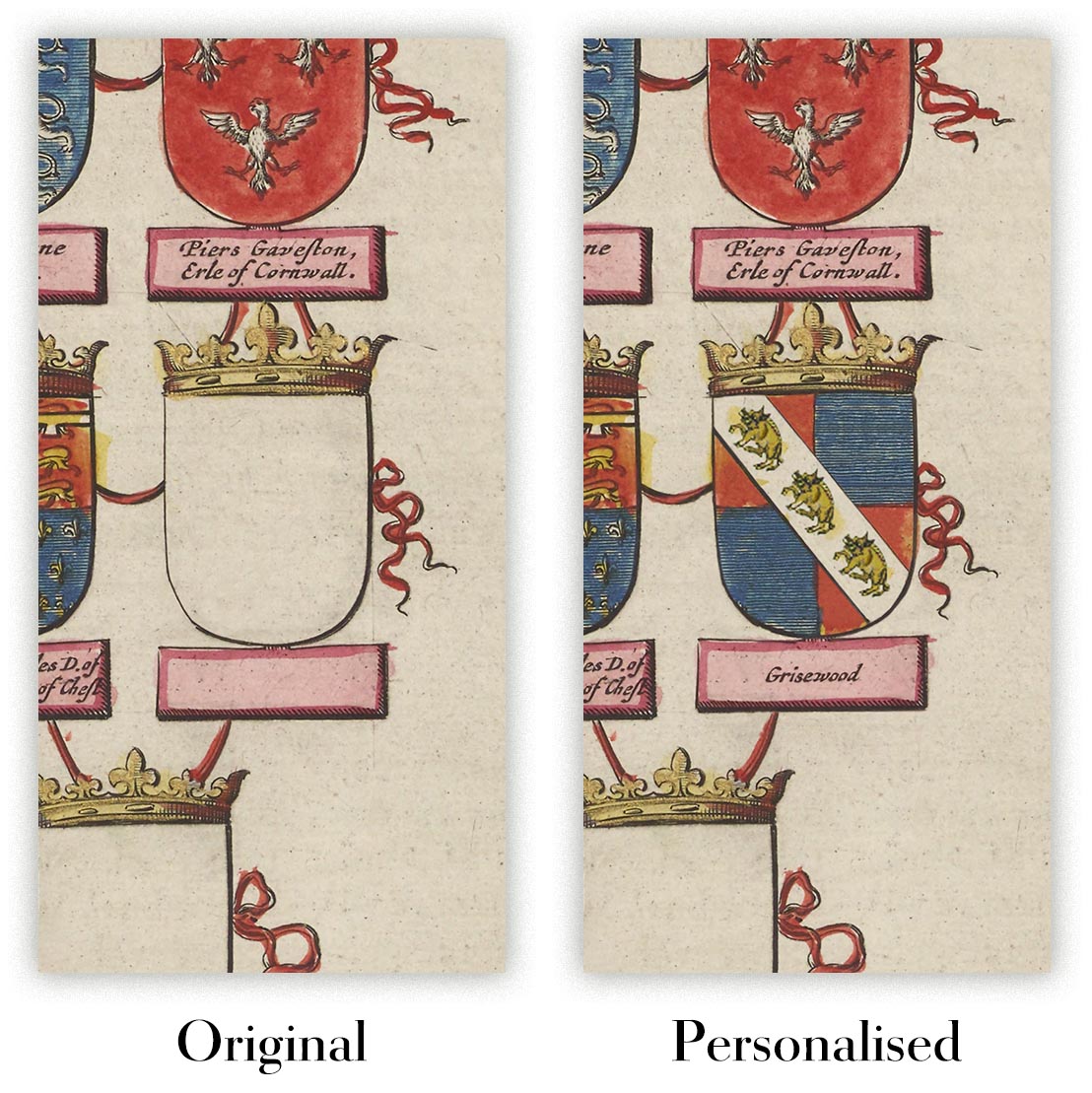
Where personalisation is available, you can add a short title or dedication, or one considered visual detail. See examples of personalised artwork.
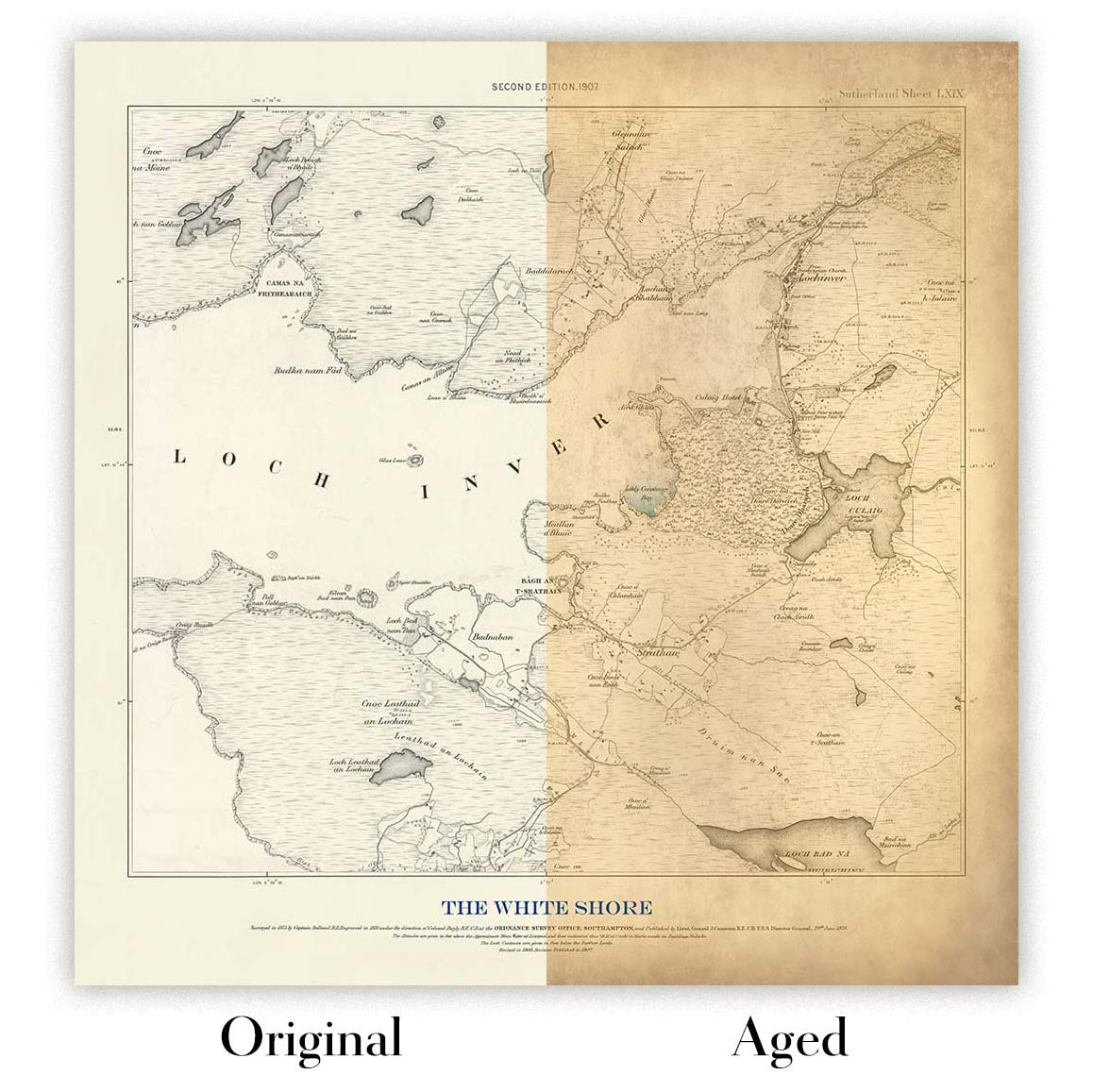
Choose Original to retain the colour and character of the source artwork, or Aged for a warmer, more antique appearance. See examples of our Aged artwork.
Every piece is produced to archival standards using fade-resistant pigment inks on acid-free matte art paper. Choose an art print, framed art print or framed canvas using the finish options above.
Framed art prints use crystal-clear optical acrylic for excellent clarity, lower weight and safer delivery than glass. Each piece arrives professionally framed and ready to hang.
Selected artworks can be produced at statement sizes up to 3 metres (10ft). Custom sizing and specialist framing are also available. If the exact option you need is not listed, contact our workshop.
This artwork is also available as a float framed canvas, sometimes known as a shadow gap framed canvas or canvas floater. The work is printed on artist's cotton canvas and then stretched over a handmade box frame. We then "float" the canvas inside a wooden frame, which is available in a range of colours (black, dark brown, oak, antique gold and white). This is a wonderful way to present an art print without glazing in front. See some examples of float framed canvas art and explore the differences between my different finishes.
Muchos de nuestros mapas y reproducciones de arte se eligen como regalos considerados para hogares, oficinas, despachos y lugares significativos.
Elija una opción enmarcada para el regalo más sencillo, listo para colgar, o elija una lámina sin enmarcar si el destinatario prefiere seleccionar su propio marco.
Producimos los pedidos localmente en 23 países de todo el mundo, por lo que a menudo los regalos pueden realizarse cerca del destinatario. Esto ayuda a que lleguen más rápido, viajen de forma más segura y eviten sorpresas por aduanas o aranceles de importación.
- Podemos entregar directamente al destinatario
- Las piezas enmarcadas llegan listas para colgar
- Las láminas sin enmarcar se embalan cuidadosamente en un resistente tubo protector
- Casi todos los pedidos se producen localmente, para regalar de forma más rápida y segura
- Las devoluciones de 90 días dan al destinatario tiempo para decidir
Si no está seguro de qué elegir, por favor contáctenos. Podemos ayudarle a escoger el mapa, tamaño, acabado u opción de entrega adecuados.
Para la mayoría de los pedidos, el tiempo de entrega es de aproximadamente 3 días laborables. Los productos personalizados y a medida tardan más, ya que tengo que hacer la personalización y enviártelo para su aprobación, lo cual suele tardar 1 o 2 días.
Tenga en cuenta que los pedidos enmarcados muy grandes suelen tardar más en fabricarse y entregarse.
Si necesitas que tu pedido llegue para una fecha determinada, por favor contáctame antes de hacer el pedido para que podamos encontrar la mejor manera de asegurarnos de que recibas tu pedido a tiempo.
Imprimo y enmarco mapas y obras de arte en 23 países alrededor del mundo. Esto significa que tu pedido se fabricará localmente, lo que reduce el tiempo de entrega y asegura que no se dañe durante el envío. Nunca pagarás aranceles de aduana o impuestos de importación, y pondremos menos CO2 en el aire.
Todos mis mapas y impresiones artísticas están bien empaquetados y enviados en un tubo resistente si no están enmarcados, o rodeados de espuma si están enmarcados.
Intento enviar todos los pedidos dentro de 1 o 2 días después de recibir tu pedido, aunque algunos productos (como mascarillas, tazas y bolsas de tela) pueden tardar más en fabricarse.
Si seleccionas Entrega Exprés al finalizar la compra, priorizaremos tu pedido y lo enviaremos por mensajería de 1 día (Fedex, DHL, UPS, Parcelforce).
La entrega al día siguiente también está disponible en algunos países (EE. UU., Reino Unido, Singapur, EAU), pero por favor intenta hacer tu pedido temprano en el día para que podamos enviarlo a tiempo.
Mi marco estándar es un marco de madera de fresno negro estilo galería. Es simple y tiene un aspecto bastante moderno. Mi marco estándar tiene alrededor de 20 mm (0.8 in) de ancho.
Utilizo acrílico super claro (perspex/acrylite) para el vidrio del marco. Es más ligero y seguro que el vidrio, y se ve mejor, ya que la reflectividad es menor.
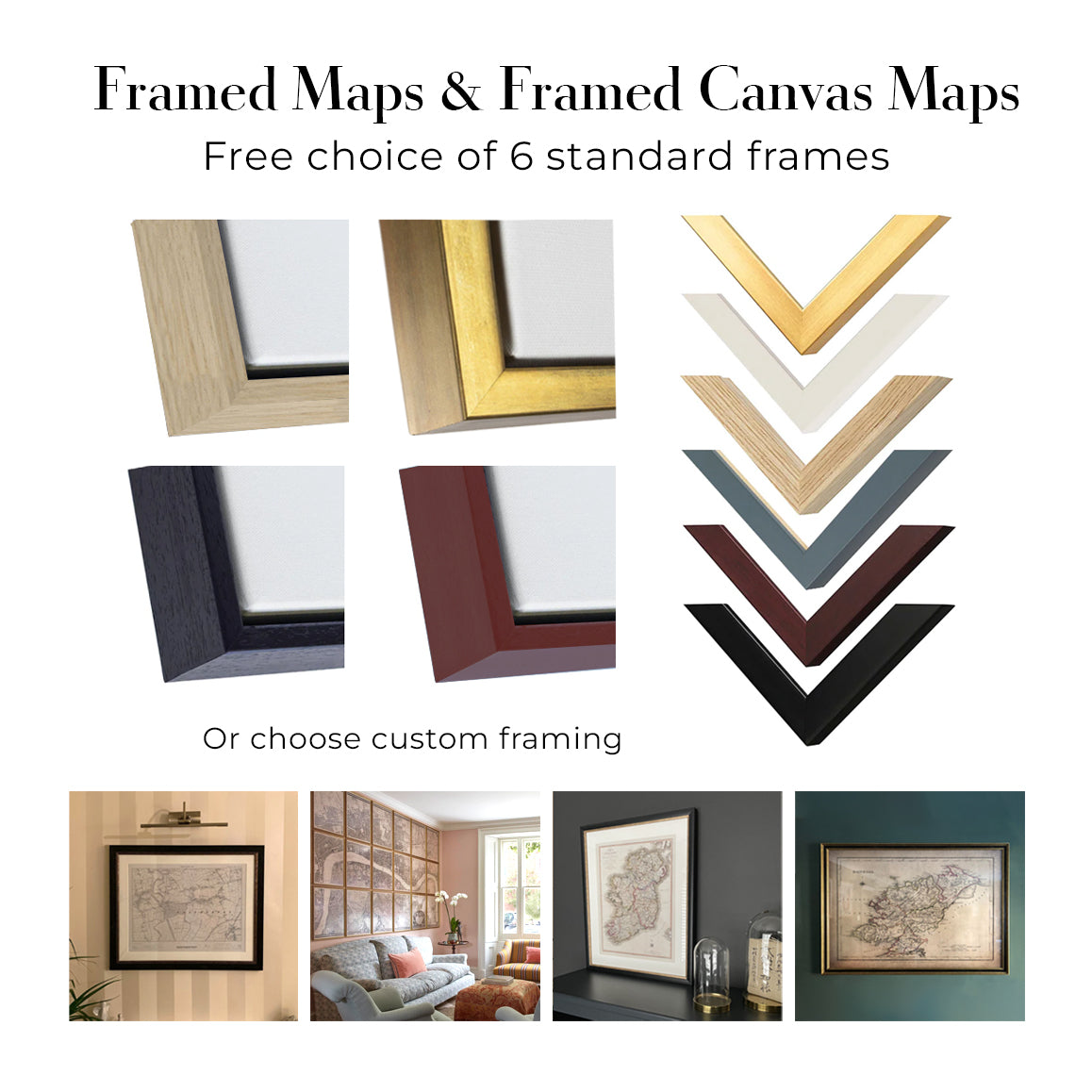
Seis colores de marco estándar están disponibles de forma gratuita (negro, marrón oscuro, gris oscuro, roble, blanco y oro antiguo).El enmarcado y montaje/matizado personalizado está disponible si buscas algo diferente.
La mayoría de los mapas, arte e ilustraciones también están disponibles como un lienzo enmarcado. Utilizamos lienzo de algodón mate (no brillante), lo estiramos sobre un marco de madera de caja de origen sostenible, y luego 'flotamos' la pieza dentro de un marco de madera. El resultado final es bastante hermoso, y no hay cristal que se interponga.
Todos los marcos se proporcionan "listos para colgar", con una cuerda o soportes en la parte posterior. Los marcos muy grandes tendrán placas de colgar de alta resistencia y/o un listón de montaje. Si tienes alguna pregunta, por favor ponte en contacto.
Mira algunos ejemplos de mis mapas enmarcados y mapas en lienzo enmarcados.
Alternativamente, también puedo proporcionar mapas antiguos y obras de arte en lienzo, tablero de espuma, papel de algodón y otros materiales.
Si deseas enmarcar tu mapa o obra de arte tú mismo, por favor lee mi guía de tamaños primero.
Trabajamos con diseñadores de interiores, empresas de hostelería, profesionales inmobiliarios, oficinas y compradores corporativos en piezas individuales y proyectos coordinados de mayor envergadura.
Esta obra puede adaptarse a una pared, estancia o proyecto concretos, y nuestro taller puede ayudar a coordinar las dimensiones, el material y el enmarcado antes de la producción.
- Dimensiones exactas, sobredimensionadas y a medida
- Enmarcado, montaje y materiales alternativos personalizados
- Piezas coordinadas para varias estancias o ubicaciones
- Personalización de la obra, para ajustar el color y el estilo de la pieza
- Asesoramiento sobre la obra y el enmarcado por parte de nuestro taller
- Producción local para proyectos en todo el mundo
Cada impresión artística restaurada comienza con la obra original del artista; nunca con un reemplazo generado por IA.
Nuestro estudio de Londres trabaja a partir de material de origen cuidadosamente seleccionado de museos, bibliotecas, archivos y colecciones privadas. Restauramos el deterioro por el paso del tiempo, la coloración desvaída y las imperfecciones de reproducción, preservando al mismo tiempo la composición, la pincelada, el trazo, la textura y el carácter de época del artista.
No utilizamos IA generativa para redibujar, reinterpretar ni inventar la obra. La restauración digital se emplea únicamente para recuperar y reproducir la obra original con la mayor fidelidad posible.
Una vez restaurada, la obra maestra se prepara para el tamaño y el acabado que haya elegido. Después, su pieza se imprime y, cuando se selecciona, se enmarca cerca de su destino de entrega.
Nuestras impresiones artísticas giclée utilizan papel mate de archivo libre de ácido de 200 g/m² y tintas de pigmento resistentes a la decoloración para ofrecer un acabado rico, de calidad museística. Las impresiones artísticas enmarcadas utilizan acrílico óptico cristalino y llegan listas para colgar.
También están disponibles ediciones en lienzo enmarcado y ediciones especiales sobre algodón-rag. Obtenga más información sobre nuestros materiales y acabados.
Llevamos restaurando y produciendo mapas y láminas artísticas desde 1984, y respondemos por cada pieza.
Todos los pedidos están cubiertos por nuestra garantía de 10 años y nuestra garantía de entrega sin daños. Si su pieza llega dañada, la sustituiremos o la volveremos a producir sin cargo alguno. Si cualquier otro aspecto no es correcto, contacte con nuestro equipo de taller y lo resolveremos con prontitud.
Consulte nuestra política de devoluciones y reembolsos para conocer todos los detalles.


